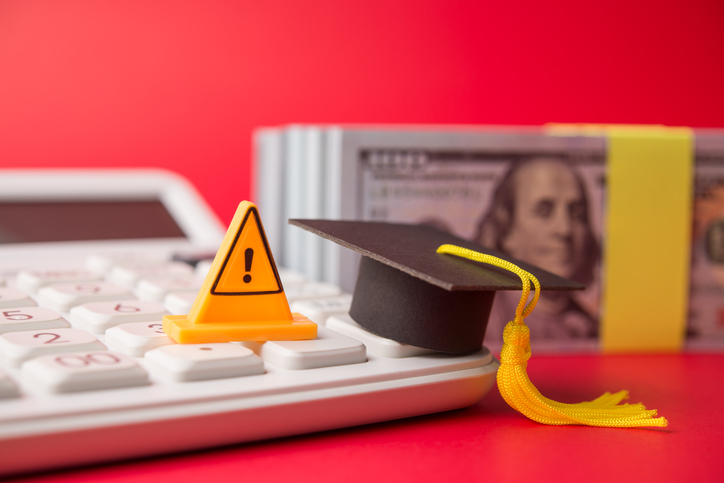
Financial Education Scams: Spot and Avoid Them
Why Financial Education Draws Scammers and How to Stay Safe
The financial education sector is overflowing with fraudulent schemes that prey on individuals desperately seeking financial independence. Platforms like social media exacerbate the spread of false information through sensational ‘get-rich-quick’ promises. Authentic financial guidance is typically regulated and offers detailed, balanced perspectives, whereas scams dangle effortless and rapid riches. Safeguard your finances by prioritizing regular savings, thoroughly vetting providers’ credibility, confirming regulatory compliance, and preparing for a prolonged, challenging path to true success.

Consider Paul’s grueling routine: he departs for work at 5:30 a.m. and returns around 7:00 p.m., missing quality time with his children most nights, working seven days a week for much of the year. This exhaustion pushed him toward trading, where he sought tips on YouTube, only to lose over £25,000 of his hard-earned savings to scammers. Stories like his are all too common. Whether pursuing stocks, shares, or cryptocurrencies, many see trading as a lifeline to financial stability or outright independence. Scammers expertly exploit this vulnerability, targeting those with modest savings but high hopes. Ironically, legitimate trading can indeed foster financial security, yet fraudsters rob victims of that very chance. To harness trading’s benefits, you must first master spotting scams before they spot you.
Primary Scams Targeting Aspiring Traders Today
- High-Return Products Requiring Minimal Effort: These charge hefty fees for supposed automated trading systems that deliver outsized profits with little work.
- Fraudulent Brokerages: Victims are lured into depositing substantial sums—often entire life savings—into fake accounts, only to watch it vanish.
- Sham Educational Programs: Providers claim to teach winning strategies but lack credible qualifications or proven results.
Fraud is rampant; our platform blocks about 10 scammers daily. A survey of over 5,000 aspiring traders revealed zero successes in turning market knowledge into profitable reality. Remarkably, ‘scam’ appeared 348 times in unprompted responses. Those not directly defrauded were still led astray by dubious tips from YouTube, Instagram, Facebook, and TikTok influencers. What fuels this epidemic?
Why Social Media Falls Short as a Financial Advice Source
1. Algorithms Prioritize Sensationalism Over Substance
Social platforms’ algorithms promote content based on engagement metrics like likes, shares, and comments, not accuracy or value. Bold, exaggerated claims generate more buzz, pushing sound but unexciting advice to the sidelines.
2. Repetition Breeds False Trust
Frequent exposure to an idea, no matter its validity, increases perceived trustworthiness. Viral financial tips echo across feeds, reinforcing misinformation through sheer repetition.
3. Legitimate Advice Carries Strict Oversight
Professional advisors operate under licenses, ethical codes, and regulations. The word ‘advice’ implies tailored recommendations with disclaimers suited to individual situations. Unregulated ‘finfluencers’ face no such barriers, freely dispensing unchecked opinions.
Strategies to Detect and Dodge Scams or Poor Guidance
Two core practices can shield you from fraud and flawed counsel.
1. Build a Saving Habit First
Our survey showed a strong link: consistent savers, setting aside a solid portion of income monthly, were far less susceptible to scams. Regular saving reduces panic-driven decisions, tempering the rush for instant fixes.
2. Apply the Triple Verification Rule
Before committing to a course or influencer, secure confirmation across three key domains.
Online Reputation Check: Perform a Google search and use AI tools like ChatGPT, Google AI, or Grok for insights—Grok often proves most reliable currently. Seek 500+ reviews on sites like Trustpilot, ideally 1,000+. Dismiss YouTube comments or obscure articles, which may be fabricated or sponsored.
Regulatory Status Verification
Financial advisors must adhere to ethical standards and oversight, preventing blatant falsehoods. Pure education firms may not require regulation, but ties to regulated bodies impose accountability. Affiliated providers must disclose average student outcomes transparently, with verifiable proof for all claims, not just cherry-picked wins.
Clarity on the Full Roadmap
Any worthwhile program outlines the complete path, including hurdles and milestones. Successful traders rarely achieve mastery overnight. Demand transparency on the real timeline and challenges ahead. Before purchasing, remind yourself: ‘Expect triple the effort and time they advertise. Does it still appeal?’
Trading scams thrive on exploiting optimism. Counter them with patience, diligence, and skepticism toward urgency tactics. Legitimate trading rewards persistence, not haste—there’s no rush, and no overnight miracles.