AI and Metals Surge Boosts Emerging Markets
Metals Rally and AI Drive Emerging Markets
This year’s standout performers among emerging markets have primarily benefited from two dominant trends anticipated to continue into 2025: cutting-edge technology centered on artificial intelligence and a robust surge in global metals prices, according to Alex Rankin.
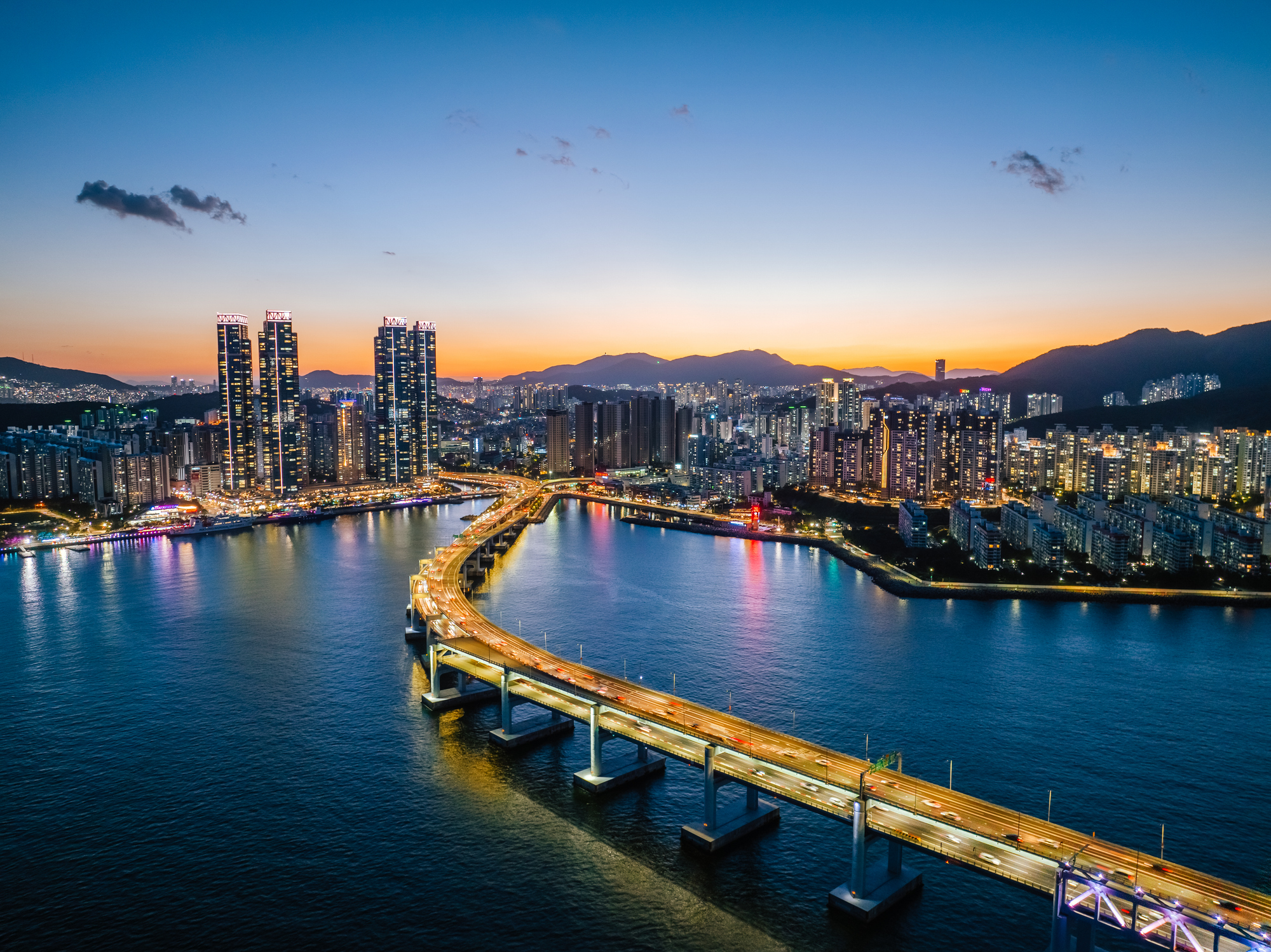
South Korea, despite boasting a sophisticated high-tech industrial foundation comparable to the world’s top developed economies, remains categorized as an emerging market due to stringent local trading regulations. Nevertheless, its Kospi index has surged an impressive 66% over the course of this year. This remarkable performance stems from two powerful forces: the explosive growth in AI demand and the narrowing of the so-called Korea discount. Leading memory-chip producers Samsung and SK Hynix are profiting handsomely from massive investments by Big Tech companies in semiconductors. Additionally, recent shareholder-friendly reforms in Seoul, modeled after successful initiatives in Japan that sparked prolonged stock market booms, are gaining traction.
Emerging Market Winners
South Korea’s strong results have propelled the MSCI Emerging Markets benchmark index to a solid 26% increase year-to-date. Following several years of underperformance relative to developed markets, this advance now surpasses the 18% rise in MSCI’s developed markets index by a comfortable margin.
These improvements are partly fueled by more favorable financial environments for developing economies. Reductions in US interest rates combined with a depreciating dollar typically encourage capital flows away from Wall Street toward more adventurous destinations.
However, the progress has not been consistent across the board. The top performers this year have generally provided investors with access to either AI-driven technology or the ongoing global metals boom. Similar to South Korea, Taiwan’s Taiex index has climbed 20.5%, buoyed by heightened demand for AI hardware, primarily thanks to the stellar performance of domestic giant TSMC.
In mainland China, the CSI 300 has advanced a respectable 17.5%, while Hong Kong’s tech-heavy Hang Seng index has performed even stronger with a 28.5% uplift. Together, these East Asian powerhouses now represent 60% of the MSCI EM index, rendering it a somewhat concentrated position for many emerging market enthusiasts.
India, the third-largest holding in the index, offers a degree of diversification. Its compelling economic expansion narrative echoes China’s trajectory from the early 2000s. That said, valuations have stretched thin, resulting in a modest 8% yearly gain for the BSE Sensex. Although India excels globally in IT services, its domestic markets provide minimal direct exposure to AI developments.
Southeast Asia presents varied outcomes. Vietnam’s VN index has skyrocketed by a third, coinciding with its promotion to emerging-market status by FTSE Russell. Indonesia’s IDX Composite has risen 21%.
Malaysia’s KLCI has remained essentially unchanged, and the Philippines’ PSEi has declined 7% amid indications of an internal economic slowdown. Thailand’s SET index has dropped 10%, driven by investor exodus from political instability and weakening tourism, a vital sector for the nation.
Metals Rally Helps Emerging Markets Shine
The extraordinary 60% rally in gold prices this year has spotlighted South Africa. The JSE Top40 index has delivered an outstanding performance, lifted by robust local mining operations and brighter political prospects, achieving a 40% gain.
Chile, a dominant force in copper production, has fared even better, with the IPSA index soaring 50%.
Yet, not every commodity-linked market has thrived equally. Saudi Arabia’s oil-dominated Tadawul all-share index has fallen 13% against the backdrop of subdued energy prices. Despite tensions between the US and the governments of Mexico and Brazil, their stock markets have bucked the trend, rising 28% and 32% respectively.
Proposed 50% US tariffs on Brazilian imports have inadvertently boosted the country, as Brazil ships over twice as much to China compared to the US. Its agricultural prowess positions it as an ideal trade complement. Market participants are optimistic that Brazil’s upcoming presidential election might install a market-oriented leader, reminiscent of Javier Milei’s transformative impact in Argentina.
Emerging Europe has also enjoyed a solid year. Poland, the region’s largest economy, is rapidly closing the gap with Western Europe. Surging defense expenditures have driven the WIG20 index to a 39% increase. In Greece, persistent reforms following the crisis are yielding substantial rewards: the ASE index has climbed 41% this year and an astonishing 119% over the last three years. The long-drawn Greek economic saga appears to have reached its conclusion.